Understanding College Athletics
Background Infromation
A growing body of research shows that mental-health challenges among college athletes stem from a complex combination of academic stress, identity pressure, social-media scrutiny, financial strain, and cultural expectations to appear “mentally tough.” According to the NCAA Student-Athlete Health and Wellness Study (2023), athletes report high levels of mental exhaustion, anxiety, performance fear, and emotional strain, with academic worries being the number-one source of stress.
Athletes often internalize expectations from coaches, family, fans, and themselves, creating a culture where mistakes feel catastrophic and rest feels like weakness. This stress is intensified in high-visibility sports, where online criticism can rapidly escalate. Stigma remains a major barrier; research from Georgia State University found that although athletes and non-athletes possess similar mental-health knowledge, athletes report significantly higher stigma and lower comfort seeking help.
These pressures form an environment where many athletes experience anxiety, depression, obsessive thoughts, body-image issues, and burnout, yet feel obligated to maintain a confident, controlled exterior.
The Hidden Costs of College Athletic Success
What factors contribute to mental-health struggles in athletes?
College athletes face unique pressures that can impact their mental well-being. These challenges come from a mix of physical demands, academic expectations, and the intense culture of competitive sports. The main contributing factors include
1. Performance Pressure
Athletes constantly feel the need to perform at their highest level. Expectations from coaches, teammates, fans, and even themselves can create stress, anxiety, and fear of failure.
2. Academic & Athletic Balance
Managing practices, travel, workouts, and full-time coursework leaves many athletes overwhelmed. Limited free time and frequent absences from class increase academic stress.
3. Injuries & Recovery
Physical injuries can lead to emotional struggles. Being sidelined often causes athletes to feel isolated, worried about losing their position, or unsure about their athletic future.
4. Lack of Rest & Overloaded Schedules
Early-morning lifts, classes, practices, games, and recovery sessions leave little downtime. Chronic fatigue and sleep loss make athletes more vulnerable to stress and burnout.
5. Identity Pressure
Many student-athletes tie their identity to their sport. When performance drops, or when they’re injured, hey may feel lost or disconnected from who they are beyond athletics.
6. Social Media & Public Scrutiny
Athletes today face constant attention online. Negative comments, comparison, and public criticism can harm confidence and contribute to mental-health challenges.
7. Stigma Around Seeking Help
Many athletes fear being seen as “weak” if they talk about mental health. This stigma often stops them from reaching out for support when they need it most.
8. Team Culture & Coaching Styles
Unhealthy team dynamics, such as favoritism, harsh coaching, or lack of support, can increase stress levels and harm an athlete’s emotional well-being.


How can stigma around mental health be reduced in sports?
Reducing stigma starts with changing the culture of silence around mental health. Teams can make a big difference by
• Normalizing Conversations
Talking openly about stress and emotions helps athletes feel safe speaking up.
• Educating Teams and Coaches
Training on mental-health awareness reduces misunderstanding and judgment.
• Sharing Athlete Stories
When athletes publicly discuss their struggles, it shows others they’re not alone.
• Improving Access to Support
Easy access to counselors or sports psychologists encourages athletes to seek help early.
• Creating Supportive Team Environments
Coaches and teammates who prioritize well-being help reduce fear and shame.
• Treating Mental Health Like Physical Health
When mental care is seen as part of performance and recovery, stigma decreases.
Which mental-health resources and policies are most effective?
The most effective mental-health support systems in sports are those that make help easy to access and fully integrated into the athletic environment. The strongest resources and policies include
• Access to Sports Psychologists
Having counselors who work directly with athletic teams gives athletes immediate, specialized support.
• Mandatory Mental-Health Education
Training for athletes and coaches helps everyone recognize warning signs and reduces stigma.
• Clear and Confidential Support Pathways
Simple ways to schedule counseling or seek help encourage athletes to use the resources available.
• Crisis and Emergency Support
24/7 hotlines, same-day appointments, and emergency response plans ensure help is always available when needed.
• Flexible Practice & Travel Policies
Allowing athletes time for counseling or mental-health recovery, without penalty, supports long-term well-being.
• Positive Team Culture Policies
Encouraging respectful communication and discouraging harmful coaching practices creates a healthier environment.
• NCAA Best-Practice Guidelines
Schools that follow NCAA recommendations, such as routine screenings and coordinated care, show better athlete outcomes.

Key Terms
Mental Health Stigma: Negative beliefs or judgments that discourage athletes from seeking support.
Performance Pressure: Internal and external expectations to excel, often contributing to stress.
Burnout: Physical and emotional exhaustion caused by prolonged stress.
Athlete Identity: How strongly an athlete’s self-worth is tied to performance.
Body-Image Pressure: Expectations about physique or weight, especially in aesthetic sports.
Sport Psychology Professionals: Counselors who specialize in athlete mental health.
Help-Seeking Behavior: Whether athletes reach out for support when struggling.
NCAA Mental-Health Policies: Guidelines meant to improve athlete well-being.
Social-Media Scrutiny: Online criticism that intensifies public pressure.
Wellness Programs: Proactive initiatives to support mental health.
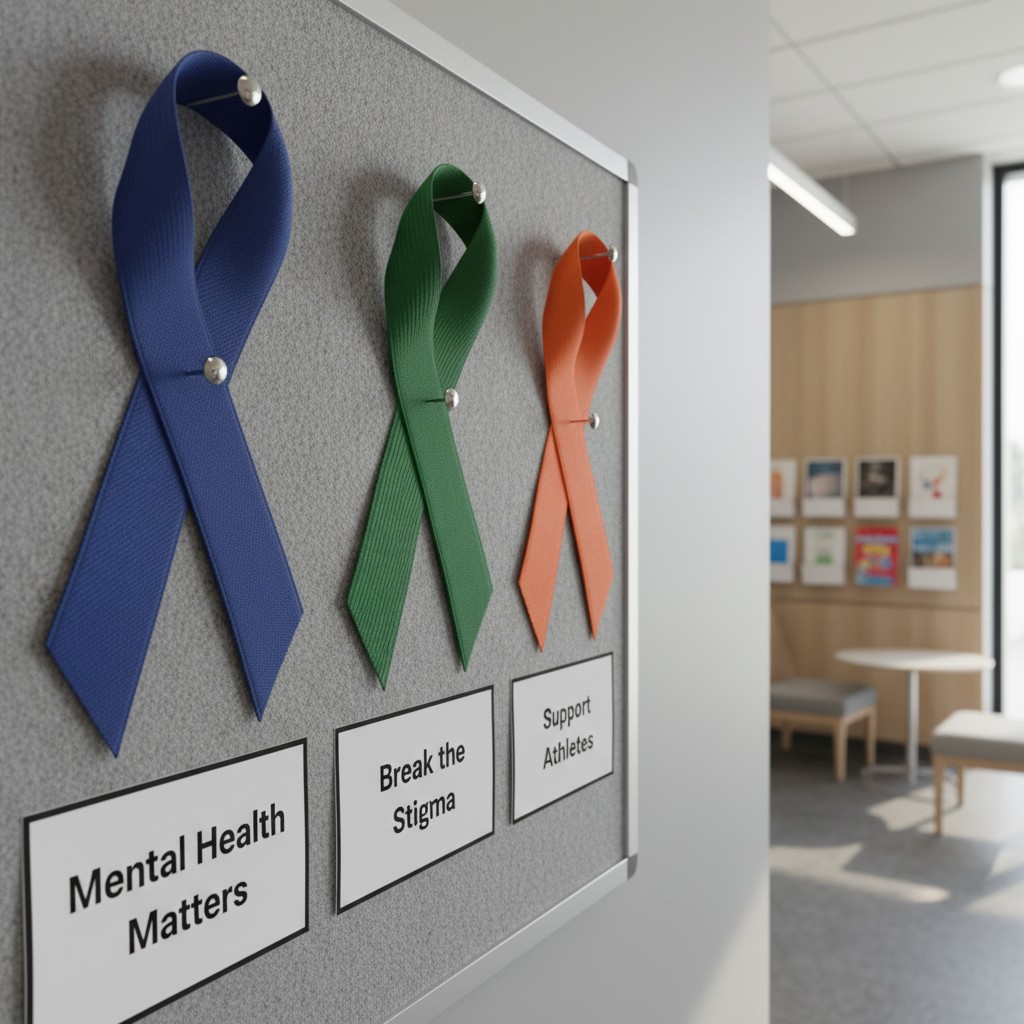
 Impacts of College Sports on Student Athletes Mental Health